· Local Business · 5 min read
Preparing Your Website for Tourist Season in Joshua Tree
Fall and spring bring a flood of visitors to the Morongo Basin. Here's how to make sure your website is ready to turn that traffic into real customers.
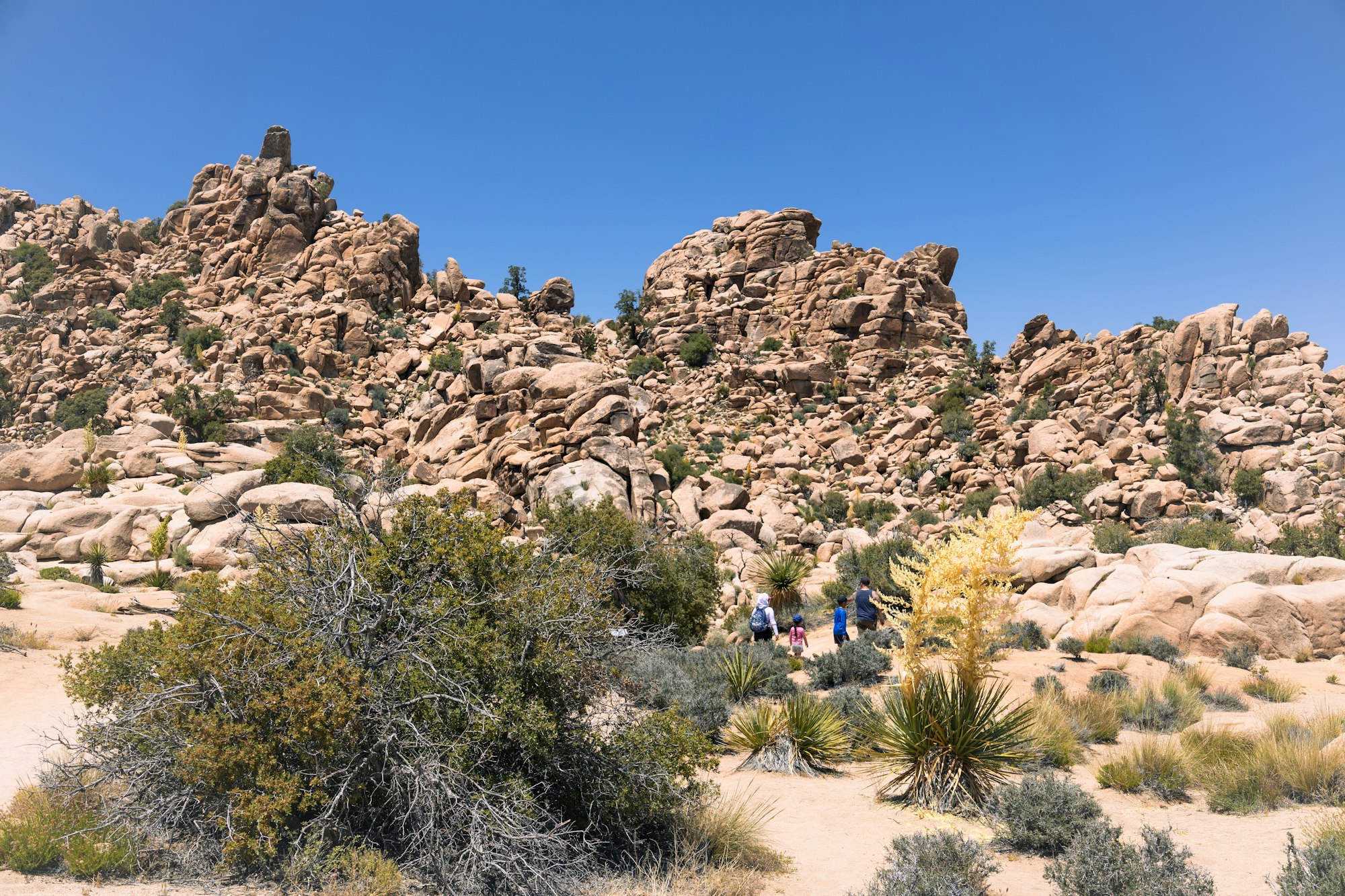
If you’ve lived in the Morongo Basin for any length of time, you know the rhythm. When the weather cools down in the fall and warms up in the spring, the desert fills up. Tourists pour into Joshua Tree National Park, the vacation rentals book solid, and every restaurant and shop in Yucca Valley and Twentynine Palms gets a whole lot busier.
That seasonal surge is a massive opportunity for local businesses. But here’s the thing — a lot of those visitors are going to find you (or not find you) online before they ever set foot in your door. If your website isn’t ready for tourist season, you’re leaving real revenue on the table.
Here’s what to check and update before the crowds arrive.
Make sure your hours and info are current
This one’s simple, but it trips up a surprising number of businesses. Before tourist season hits, go through your website and make sure your hours of operation, phone number, address, and any seasonal changes are up to date.
If you have extended fall or spring hours, say so. If you’re closed on certain days, make that clear. Nothing loses a tourist’s business faster than driving across town only to find a “Closed” sign that the website didn’t mention.
While you’re at it, update your Google Business Profile too. That’s often the very first thing a visitor sees.
Check your site on a phone
Tourists are searching on their phones. They’re in the car, at the park, or walking around town. If your website is hard to use on a mobile device, they’ll move on to the next option without thinking twice.
Pull up your site on your phone and go through it like a first-time visitor would. Can you find the menu easily? Can you tap the phone number to call? Does the page load quickly on a cell connection? If anything feels clunky, fix it before the busy season starts.
Remember — cell service in parts of the Hi-Desert can be unreliable. A lightweight, fast-loading site matters even more here than in a city.
Add content that visitors are actually searching for
Tourists don’t search for your business name — they don’t know it yet. They search for things like “best coffee in Joshua Tree,” “things to do near Twentynine Palms,” or “dinner in Yucca Valley.”
If your website has content that answers those kinds of questions, you have a real shot at showing up in their search results. A few ideas:
- A “Things to Do Nearby” page if you run a vacation rental or lodging business
- A blog post about local events or seasonal happenings in the Morongo Basin
- An FAQ page that answers common visitor questions related to your business
- Descriptions that mention specific landmarks like Joshua Tree National Park, Pioneertown, or Giant Rock
This isn’t about gaming the system. It’s about making your website genuinely useful to the people who are looking for exactly what you offer.
Make it easy to take the next step
When a tourist finds your website, they’re usually ready to act. They want to make a reservation, place an order, book a tour, or get directions. Don’t make them work for it.
Every page on your site should have a clear next step — a button, a link, a phone number, something obvious that tells the visitor what to do. “Book a Table,” “Reserve Your Stay,” “Get Directions,” “Call Us” — whatever makes sense for your business.
The fewer clicks between “I found this place” and “I’m going there,” the better.
Test your site speed
A visitor on a spotty connection in the middle of the desert isn’t going to wait around for a slow website. Run your site through Google PageSpeed Insights and see where you stand. If your score is low, the most common fixes are:
- Compress your images. This is almost always the biggest culprit.
- Remove plugins or scripts you’re not using. Every one adds load time.
- Talk to your hosting provider. Cheap hosting often means slow hosting.
Even small improvements in load time can make a measurable difference in how many visitors stick around.
Think about what makes you different
Tourist towns are competitive. There are a lot of restaurants, shops, rentals, and experiences competing for the same visitors. Your website is your chance to show why you’re the right choice.
Don’t just list what you offer — tell your story. Why did you start this business in the desert? What do you do differently? What do locals love about you? The businesses that connect with visitors on a personal level are the ones that get repeat customers, great reviews, and word-of-mouth referrals.
Start now, not when you’re already busy
The best time to get your website ready for tourist season is before it starts — not when you’re already slammed and don’t have time to think about it. A few hours of updates now can pay off for months.
If you need help getting your site in shape, HoverState is right here in the Morongo Basin. We know the seasonal rhythms and we know what works for local businesses. Let’s make sure your website is ready when the visitors arrive.